
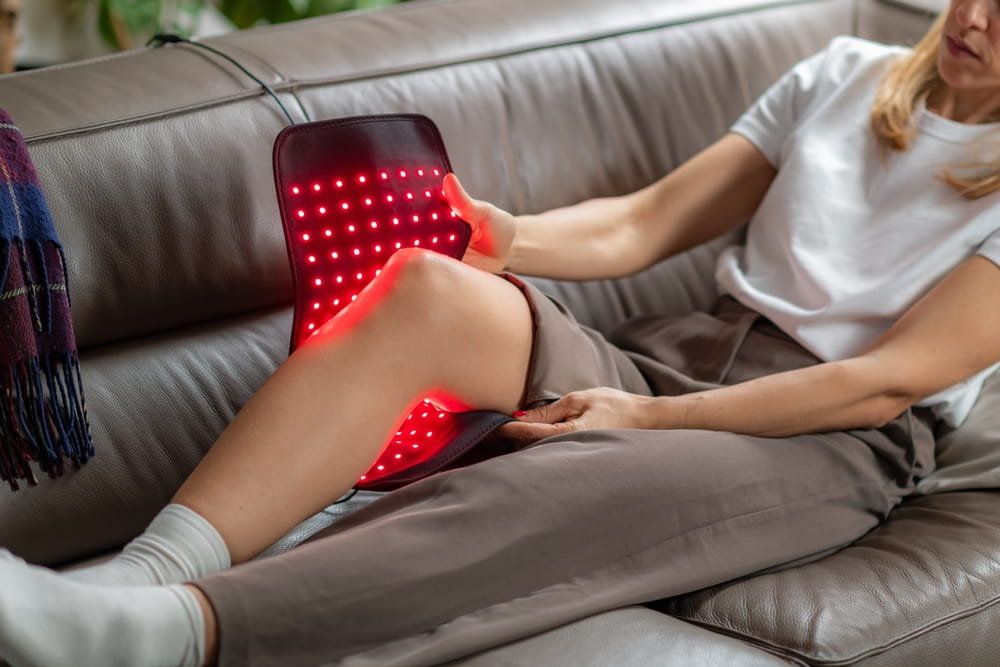
Living with arthritis can be challenging, particularly when joint pain begins to interfere with daily activities. Many individuals in Des Peres, St. Peters, and Washington, MO, seek alternatives to surgery, aiming for relief without the downtime and risks associated with invasive procedures. Pain Management Services highlights a variety of strategies that can help patients manage arthritis pain effectively while maintaining mobility and quality of life. By understanding these options, patients can make informed decisions and explore approaches tailored to their unique needs.
Non-surgical treatments often focus on reducing inflammation, alleviating pain, and restoring joint function. These interventions can range from medications to specialized injections that target specific nerves or joints. They are particularly helpful for those with osteoarthritis, rheumatoid arthritis, or degenerative joint disease who are looking to minimize pain while avoiding surgical recovery periods.
In addition to providing relief, non-surgical options can help delay the need for joint replacement or other surgical interventions. With the right combination of treatments, patients often experience improved mobility, better sleep, and an overall enhanced sense of well-being, allowing them to continue daily routines with less discomfort.
Joint Injections for Targeted Relief
Intra-Articular and Sacroiliac Joint Injections
For many arthritis sufferers, localized joint inflammation is a major source of pain. Intra-articular joint injections deliver medications directly into affected joints, helping to reduce swelling and improve mobility. These injections are often used for knees, shoulders, or hips, providing targeted relief that oral medications alone may not achieve. Similarly, sacroiliac joint injections focus on the sacroiliac joints, which can be a hidden source of lower back and pelvic discomfort. Administering these injections under image guidance ensures precision and maximizes pain relief while minimizing risks.
These procedures can be repeated as needed and are typically combined with physical therapy or lifestyle modifications for long-term management. Many patients notice a decrease in daily pain levels and an ability to engage in normal activities without relying on constant medications. The minimally invasive nature of these injections also makes them suitable for patients who may not be candidates for surgery due to age or other health conditions.
Nerve Blocks and Radiofrequency Ablation
Targeting the nerves responsible for transmitting pain signals can provide significant relief for arthritis patients. Genicular nerve blocks and medial branch nerve blocks temporarily reduce pain by interrupting nerve signaling to arthritic joints. For longer-lasting results, procedures like genicular nerve radiofrequency ablation or lumbar radiofrequency ablation (RFA) use heat to disrupt nerve function, offering relief that can last several months. These approaches are particularly effective for knee, spine, and hip arthritis, providing a non-surgical pathway to improved comfort and mobility.
Nerve-based therapies can also be used alongside injections or non-narcotic medications to create a comprehensive pain management plan. They are often employed when traditional treatments have been insufficient, giving patients additional options before considering surgery.
Medication and Lifestyle-Based Pain Management
Non-Narcotic Medication Management
For individuals concerned about side effects or dependency associated with opioid treatments, non-narcotic medication management provides a safe and effective alternative. Non-narcotic therapies, including anti-inflammatory drugs and other pain-modulating medications, target arthritis symptoms while reducing systemic risks. These options are often combined with lifestyle changes, including diet, exercise, and physical therapy, to maximize overall outcomes.
This approach emphasizes a balance between symptom control and maintaining everyday function. Regular consultations with a medical provider can help optimize dosage, identify the most effective medications, and adjust treatment as arthritis progresses. This combination of targeted therapy and daily management supports long-term joint health and reduces reliance on invasive procedures.
Trigger Point and Suprascapular Nerve Injections
Muscle tension and inflammation often accompany joint pain, exacerbating arthritis discomfort. Trigger point injections directly address muscle tightness that surrounds arthritic joints, providing relief from secondary pain. Additionally, suprascapular nerve blocks focus on shoulder-related arthritis, delivering targeted relief for patients experiencing stiffness, swelling, or pain in the upper extremities. These interventions complement broader management strategies and can significantly enhance patient comfort and function.
By addressing both the source of joint pain and the surrounding muscular factors, these therapies offer a comprehensive approach to non-surgical arthritis care. Patients often notice improved flexibility, reduced pain flare-ups, and better participation in physical therapy or daily routines.
The Role of Minimally Invasive Procedures
While not a full surgical replacement, minimally invasive procedures can significantly impact arthritis management. Techniques such as epidural steroid injections or cervical medial branch RFA can reduce spinal or neck pain associated with arthritic degeneration. Other advanced interventions, like analgesic discograms, provide diagnostic clarity, helping clinicians pinpoint pain sources and develop targeted treatment plans. By using these procedures strategically, patients can reduce pain while delaying or avoiding more invasive surgical options.
These procedures are often combined with other therapies for a multi-pronged approach. For instance, pairing nerve ablations with targeted injections can provide synergistic relief, while non-narcotic medications maintain daily comfort. For many patients, this layered strategy ensures a higher quality of life, sustained mobility, and the ability to maintain independence without surgery.
Managing arthritis pain without surgery is increasingly viable thanks to a variety of targeted, minimally invasive, and non-narcotic approaches. Residents in Des Peres, St. Peters, and Washington, MO, can benefit from these strategies to reduce discomfort, improve mobility, and regain confidence in daily activities. Pain Management Services emphasizes that understanding all available options empowers patients to select therapies that best fit their lifestyle and health goals, providing effective relief without the challenges of surgical intervention.
Resources
McLaughlin, K. A., & Nolen-Hoeksema, S. (2011). Rumination as a Transdiagnostic Factor in Depression and Anxiety. Behavior Research and Therapy.
Hunter, D. J., & Bierma-Zeinstra, S. (2019). Osteoarthritis. Lancet.
Hochberg, M. C., et al. (2012). American College of Rheumatology 2012 Recommendations for the Use of Non-Pharmacologic and Pharmacologic Therapies in Osteoarthritis. Arthritis Care & Research.