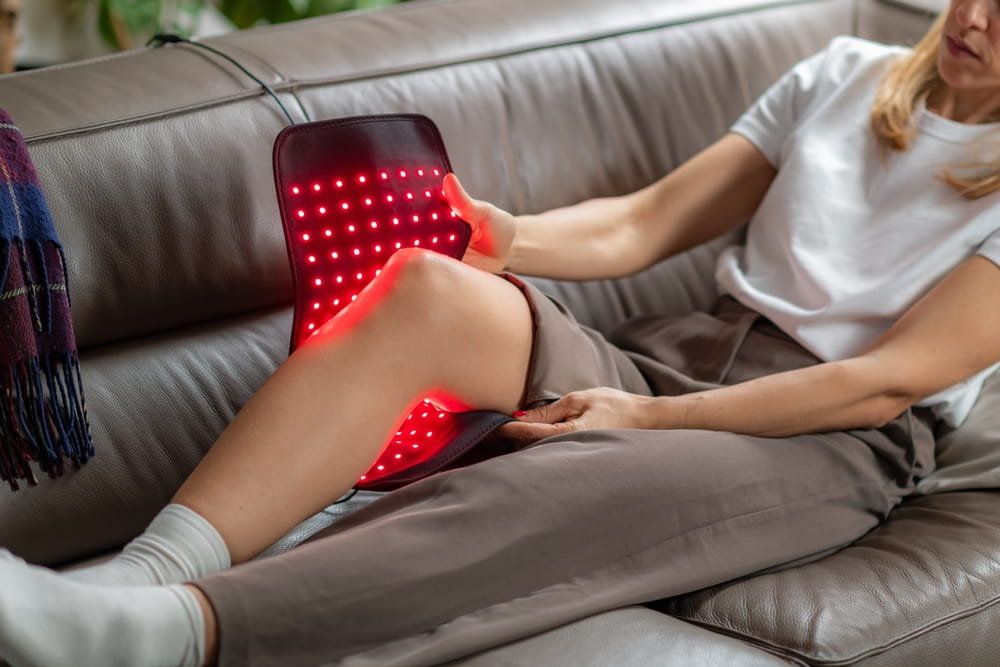

A pinched nerve in the back occurs when surrounding tissues, such as bones, muscles, or cartilage, apply pressure on a spinal nerve. This condition can lead to pain, tingling, numbness, or weakness in the back and extremities. Residents in Des Peres, St. Peters, and Washington, MO, often notice that the symptoms worsen with certain movements, such as bending, twisting, or sitting for prolonged periods. Understanding the signs early can help prevent further nerve damage and allow for timely intervention.
Common areas where pinched nerves occur include the cervical spine (neck), thoracic spine (mid-back), and lumbar spine (lower back). Symptoms may radiate from the back into the arms or legs depending on the nerve affected. Pain is often described as sharp, burning, or shooting, and may be accompanied by muscle spasms or a “pins-and-needles” sensation. Recognizing these warning signs early can guide individuals toward effective, non-surgical relief strategies.
Prompt evaluation is important because untreated pinched nerves can worsen over time, potentially leading to chronic pain or decreased function. Seeking guidance from medical providers ensures that patients receive accurate diagnosis and a tailored plan for pain management without needing invasive surgery.
Non-Surgical Treatments for Pinched Nerves
Selective Nerve Root Injections
For targeted relief, selective nerve root injections deliver anti-inflammatory medications directly around the affected nerve. This approach reduces swelling and irritation, alleviating pain and improving mobility. These injections are often performed under imaging guidance to ensure precise placement and maximum effectiveness. They are particularly beneficial for patients experiencing radiating pain down the arms or legs caused by compressed spinal nerves.
By focusing treatment directly at the source, selective nerve root injections can provide rapid symptom relief. Patients often notice a reduction in nerve-related pain within days, which allows them to participate more comfortably in physical therapy and daily activities. Repeated treatments can be scheduled if necessary, offering a flexible, non-surgical option for ongoing management.
Medial Branch Nerve Blocks and Radiofrequency Ablation
Nerve-based therapies like medial branch nerve blocks temporarily disrupt pain signals from the spinal nerves, providing relief from chronic back discomfort. For longer-lasting effects, lumbar radiofrequency ablation (RFA) uses heat to interrupt nerve signaling, offering pain relief that can last several months. These procedures are particularly useful when back pain is persistent and interferes with normal daily functions.
These therapies can be combined with injections and other conservative treatments for a multi-faceted approach. Targeting both the source of pain and its pathways ensures patients can regain function, maintain activity levels, and reduce dependence on oral pain medications.
Supporting Therapies for Pinched Nerves
Non-Narcotic Medication Management
Non-narcotic medication management offers an effective way to control inflammation and nerve-related pain without the risks associated with opioid use. Anti-inflammatory medications, muscle relaxants, and other non-narcotic options help reduce pain and support nerve healing. Regular monitoring by a healthcare provider ensures safe dosage and treatment adjustments tailored to individual patient needs.
This approach emphasizes improving quality of life while minimizing side effects. Combining medications with physical therapy, posture correction, and lifestyle modifications enhances long-term outcomes. Patients often experience improved mobility, less stiffness, and a reduction in flare-ups when using non-narcotic medications as part of a comprehensive plan.
Epidural Steroid and Trigger Point Injections
Epidural steroid injections deliver anti-inflammatory medication directly into the spinal canal to reduce swelling around compressed nerves. These injections are particularly effective for radicular pain that radiates from the lower back down the legs. Additionally, trigger point injections target tight or irritated muscles around the spine that can worsen nerve compression. Addressing both the nerve and surrounding muscles provides comprehensive relief, reduces discomfort, and supports recovery.
Minimally invasive injections can often delay or prevent the need for surgery, giving patients the ability to return to normal activities sooner. They are commonly combined with other non-surgical strategies, such as nerve blocks and non-narcotic medications, to create a layered and effective pain management plan.
Lifestyle and Preventive Measures
While medical interventions are crucial, lifestyle adjustments play a significant role in managing pinched nerves. Maintaining proper posture, engaging in core-strengthening exercises, and avoiding prolonged sitting or repetitive movements can reduce pressure on the spine. Ergonomic adjustments at work and home also help prevent flare-ups.
Stretching and gentle physical activity promote blood flow, flexibility, and muscle strength, all of which support spinal health and nerve function. Patients who integrate medical treatments with preventive strategies often experience sustained relief, reduced pain episodes, and an overall improvement in quality of life. These approaches empower individuals to actively participate in their recovery and maintain long-term spinal health.
Pinched nerves in the back can be painful and disruptive, but multiple non-surgical options exist for relief. From selective nerve root injections and lumbar RFA to epidural steroid injections and non-narcotic medication management, patients in Des Peres, St. Peters, and Washington, MO, can find targeted strategies to reduce pain and restore mobility. Understanding these options enables informed decisions and supports a proactive approach to spinal health with Pain Management Services guiding the way.
Resources
Krebs, E. E., Carey, T. S., & Weinberger, M. (2001). Accuracy of the Physical Examination for Chronic Low Back Pain. Annals of Internal Medicine.
Deyo, R. A., & Weinstein, J. N. (2001). Low Back Pain. New England Journal of Medicine.
Manchikanti, L., et al. (2010). Comprehensive Evidence-Based Guidelines for Interventional Techniques in Chronic Spinal Pain. Pain Physician.