
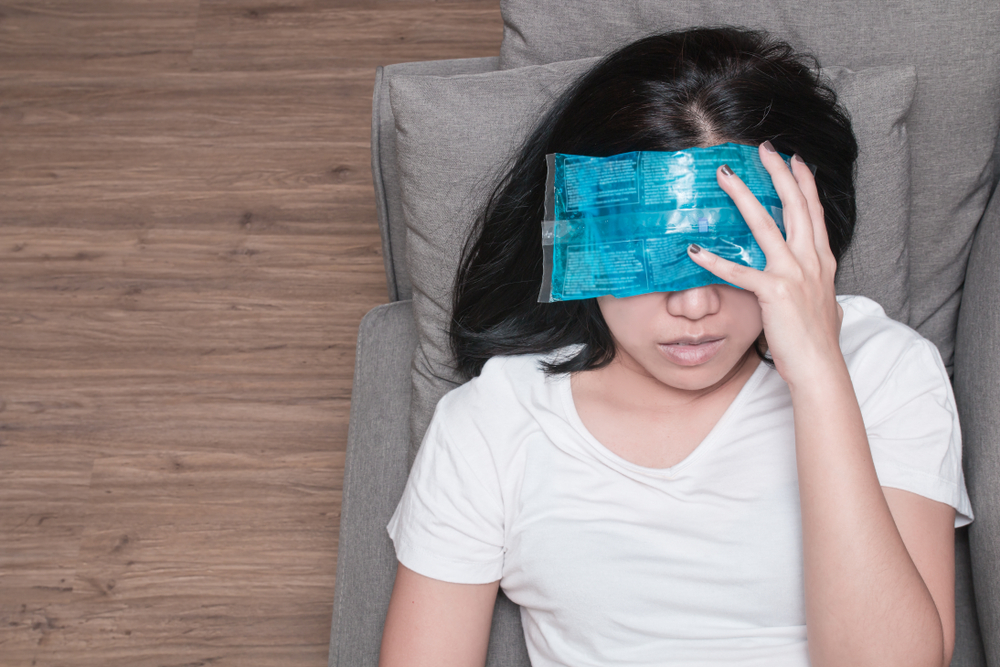
Headaches are among the most common medical complaints worldwide, affecting people of all ages and backgrounds. While many headaches are occasional and mild, others, such as migraines, can be debilitating and interfere significantly with daily life. Understanding the differences between types of headaches, identifying their triggers, and exploring both immediate and long-term relief strategies is essential for effective management.
Residents in communities like Des Peres, St. Peters, and Washington, MO, often seek out specialized care when headaches become chronic or unmanageable. Clinics such as Pain Management Services work with multiple providers to help patients understand and cope with these conditions. This blog provides a detailed overview of headache and migraine triggers, types, and evidence-based relief strategies to support better quality of life.
Understanding the Different Types of Headaches
Headaches are broadly categorized into two types: primary and secondary. Primary headaches are not caused by an underlying medical condition and include migraines, tension-type headaches, and cluster headaches. These are among the most common forms. Secondary headaches, on the other hand, are the result of another medical issue, such as a sinus infection, head injury, or high blood pressure.
Tension headaches are the most frequent and are often described as a constant, dull ache on both sides of the head. They may be accompanied by tightness in the neck or scalp. Migraines are typically more severe and involve throbbing pain, usually on one side of the head. Migraines can also be accompanied by nausea, vomiting, and sensitivity to light or sound. Cluster headaches are less common but extremely painful, often occurring in cyclical patterns or “clusters” and centered around one eye. Each type of headache may require a different management strategy, making proper identification crucial.
Common Triggers of Headaches and Migraines
Identifying headache and migraine triggers is a vital step toward effective prevention. Triggers vary from person to person, but there are several commonly recognized factors that tend to provoke episodes. One major category is dietary triggers. These include aged cheeses, chocolate, caffeine, alcohol (especially red wine), and foods containing additives like monosodium glutamate (MSG) or nitrates. Skipping meals or dehydration can also bring on headaches.
Environmental and lifestyle factors are equally important. Bright or flickering lights, loud noises, strong odors, and changes in weather or barometric pressure can all serve as triggers. Emotional stress, anxiety, and lack of sleep are particularly potent, as they not only trigger headaches but can also increase their severity and duration. Hormonal changes, particularly in women, are another significant factor. Fluctuations related to menstrual cycles, pregnancy, or menopause often play a role in migraine onset.
The Role of Genetics and Physiology
While lifestyle and environmental triggers are major contributors, genetics and individual physiology also play an important role in headache and migraine susceptibility. Research has shown that migraines, in particular, tend to run in families. If one or both parents have migraines, there is a significantly higher chance that their children will experience them as well. This suggests a hereditary component linked to how the brain processes pain and sensory information.
Physiologically, migraines are thought to result from abnormal brain activity that affects nerve signals, chemicals, and blood vessels. One prominent theory involves the trigeminovascular system, a network of nerves responsible for sensation in the face and head. During a migraine, this system becomes activated, releasing inflammatory substances that cause blood vessels to swell and become more sensitive. This leads to the characteristic pain and symptoms of migraines. Understanding these biological factors can help guide treatment strategies that go beyond simply addressing surface symptoms.
Strategies for Managing and Preventing Headaches
Managing headaches and migraines requires a multifaceted approach, especially for those who experience frequent or severe episodes. Lifestyle modifications are often the first line of defense. Maintaining a consistent sleep schedule, staying hydrated, managing stress through relaxation techniques, and avoiding known dietary triggers can significantly reduce the frequency of headaches. Regular physical activity, such as walking or yoga, may also help by improving circulation and reducing stress levels.
In addition to lifestyle changes, patients may benefit from keeping a headache diary. Tracking when headaches occur, their severity, duration, and possible triggers can help identify patterns and guide more effective prevention efforts. Some individuals find that specific actions, such as using a cold compress, resting in a dark room, or practicing deep breathing, can offer immediate relief during an episode. Establishing a calm, quiet environment can be particularly helpful during the early stages of a migraine attack.
Medication and Medical Interventions
For many individuals, lifestyle adjustments alone are not enough, and medical treatment becomes necessary. Over-the-counter pain relievers such as ibuprofen, aspirin, or acetaminophen are often effective for mild to moderate headaches. However, frequent use can lead to medication-overuse headaches, a condition where the very medications intended to relieve pain end up causing more frequent headaches over time.
Prescription medications for migraines include triptans, which work by constricting blood vessels and blocking pain pathways in the brain. Preventive medications may also be prescribed for those who experience chronic migraines. These include beta-blockers, antidepressants, anticonvulsants, and CGRP (calcitonin gene-related peptide) inhibitors, a newer class of drugs specifically developed to prevent migraines. In some cases, procedures such as nerve blocks or Botox injections may be recommended for chronic migraine sufferers who do not respond to conventional therapies.
Non-Pharmacological Therapies and Alternative Approaches
In addition to conventional medical treatments, many patients find relief through non-pharmacological and alternative therapies. These approaches can be especially useful for individuals seeking to reduce their reliance on medication or who experience side effects from drugs. Cognitive-behavioral therapy (CBT), for instance, helps patients manage stress and reframe thought patterns that may exacerbate pain. Mindfulness meditation and progressive muscle relaxation can also reduce headache frequency and severity by promoting overall nervous system balance.
Acupuncture has gained attention as a promising option for both tension headaches and migraines. Studies suggest that acupuncture can modulate the body’s pain response and reduce inflammation. Biofeedback is another valuable tool that teaches individuals to control physiological processes like heart rate and muscle tension, helping to prevent headaches before they start. These techniques may not work for everyone but are worth considering as part of a comprehensive pain management strategy.
When to Seek Professional Help
While occasional headaches are common and usually not a cause for concern, there are times when professional evaluation is necessary. Headaches that occur frequently, increase in intensity, or interfere with daily activities should be taken seriously. Sudden, severe headaches—often described as the “worst headache of your life”—may indicate a medical emergency such as a brain aneurysm or hemorrhage and require immediate attention.
Other red flags include headaches that wake you from sleep, are accompanied by neurological symptoms like vision loss or speech difficulties, or occur after a head injury. In these cases, seeking help from a healthcare provider is essential. In regions like Des Peres, St. Peters, and Washington, MO, patients can consult with experienced providers at clinics such as Pain Management Services, who can guide them through appropriate diagnostic testing and treatment planning.
Empowering Patients Through Education
Living with chronic headaches or migraines can be frustrating, especially when the causes seem elusive and the pain unpredictable. However, education and self-awareness are powerful tools in managing these conditions. By learning to recognize triggers, implementing practical lifestyle changes, and exploring a range of treatment options, individuals can take significant steps toward relief and improved daily functioning.
Support systems, whether through healthcare providers, online communities, or local resources, play a key role in helping patients navigate their journey. The more informed individuals are about their condition, the better equipped they are to advocate for their health and well-being. In areas like Des Peres, St. Peters, and Washington, MO, access to multidisciplinary care teams ensures that those living with chronic headaches have the resources they need to regain control and improve quality of life.
References
Lipton, R. B., Bigal, M. E., Diamond, M., Freitag, F., Reed, M. L., & Stewart, W. F. (2007). Migraine prevalence, disease burden, and the need for preventive therapy. Neurology.
Buse, D. C., Loder, E. W., Gorman, J. A., Stewart, W. F., Reed, M. L., Fanning, K. M., Serrano, D., & Lipton, R. B. (2013). Sex differences in the prevalence, symptoms, and associated features of migraine. Current Pain and Headache Reports.
Silberstein, S. D. (2004). Migraine. The Lancet.