
Pain is a complex and multifaceted experience, and advances in medical science have increasingly improved how it can be managed. At Pain Management Services, with multiple providers across Des Peres, St. Peters, and Washington, MO, staying informed about the latest developments in pain relief is crucial to understanding the future of treatment options. This blog explores some of the most recent advancements in pain management, shedding light on innovative therapies and techniques that hold promise for enhancing patient outcomes.
Personalized Pain Management Through Precision Medicine
One of the most transformative trends in pain management is the move toward personalized care. Precision medicine, which tailors treatment based on an individual’s genetic makeup, lifestyle, and environment, is changing how clinicians approach pain relief. Advances in genomics have allowed researchers to identify genetic markers linked to pain sensitivity and response to different medications. This means patients can receive therapies that are more effective and have fewer side effects.
Moreover, pharmacogenomics—the study of how genes affect a person’s response to drugs—is helping to customize pain medication choices. By understanding how a patient metabolizes opioids or non-opioid painkillers, providers can optimize dosages to reduce risks of addiction or adverse reactions. This personalized approach also extends to identifying patients more likely to benefit from non-pharmacologic interventions like cognitive-behavioral therapy or physical rehabilitation, allowing for a holistic, tailored plan.
Precision medicine is not just about drugs but also about predicting chronic pain development after injuries or surgeries. Predictive analytics and biomarkers are being developed to flag patients at risk for long-term pain, enabling early, preventive interventions. This proactive stance is reshaping pain management from reactive symptom control to anticipatory care.
Innovative Non-Opioid Therapies
The opioid crisis has accelerated research into alternative pain management methods that avoid dependence risks. Non-opioid therapies are rapidly evolving and gaining recognition for their effectiveness in managing both acute and chronic pain. One such advancement is the refinement of neuromodulation techniques, such as spinal cord stimulation (SCS) and peripheral nerve stimulation (PNS). These technologies involve implanting devices that send electrical impulses to specific nerves to interrupt pain signals before they reach the brain.
Recent innovations in SCS devices include rechargeable batteries, smaller implant sizes, and more sophisticated programming options that allow patients to control their pain relief more precisely. Additionally, high-frequency and burst stimulation modes have been developed to improve comfort and efficacy without producing tingling sensations commonly associated with older devices.
Another promising non-opioid therapy is regenerative medicine, including platelet-rich plasma (PRP) and stem cell treatments. These biologics aim to heal damaged tissues rather than just mask pain symptoms. While still under investigation, early studies show encouraging results for conditions like osteoarthritis and tendon injuries. Alongside these, non-invasive therapies such as transcutaneous electrical nerve stimulation (TENS) units and ultrasound-guided interventions continue to provide pain relief without medications.
Advances in Psychological and Behavioral Pain Management
Pain management has increasingly acknowledged the psychological and emotional components of pain, emphasizing mind-body interactions. Recent advancements in this area include the integration of digital health technologies with traditional psychological treatments such as cognitive-behavioral therapy (CBT). Mobile apps and telehealth platforms now offer remote access to pain coping skills training, mindfulness meditation, and biofeedback, expanding the reach and convenience of these therapies.
Virtual reality (VR) therapy is another cutting-edge tool gaining traction. VR immersion helps distract patients from acute pain episodes and has shown promise in reducing anxiety and depression associated with chronic pain conditions. The immersive environment allows users to engage in guided relaxation or simulated physical activities, promoting mental and emotional resilience.
Neuroscientific research is deepening the understanding of how chronic pain alters brain function and structure. This insight is driving the development of targeted psychological interventions that can rewire pain pathways through neuroplasticity. These mind-body approaches underscore that effective pain management extends beyond physical treatment and includes addressing mental health to improve overall quality of life.
Emerging Technologies: AI and Wearable Devices
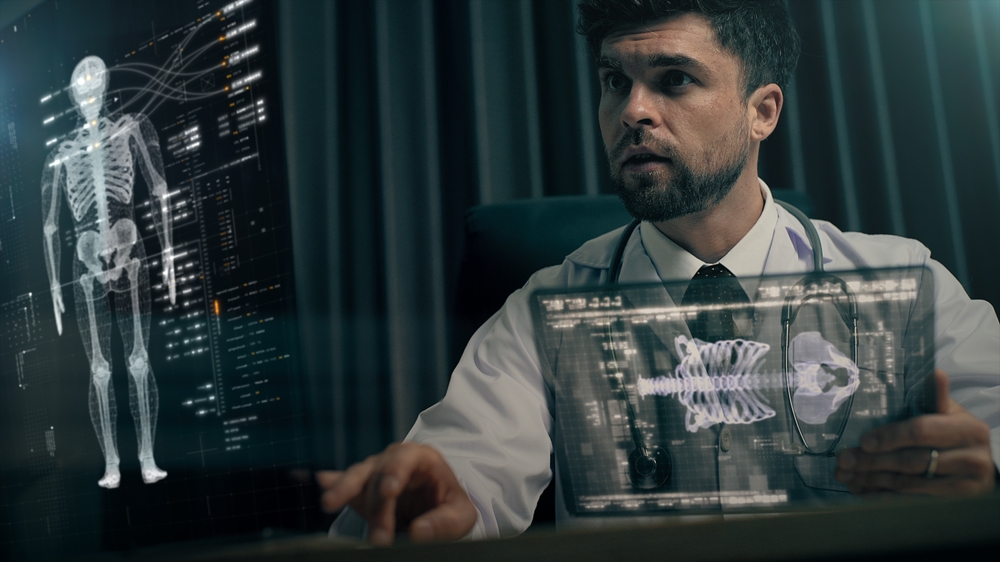
Artificial intelligence (AI) and wearable technologies are revolutionizing pain management by enabling real-time monitoring and data-driven decision-making. Wearable sensors now track vital signs, movement patterns, and physiological markers related to pain, such as muscle tension and heart rate variability. These devices provide continuous feedback, allowing providers to adjust treatments dynamically and patients to better understand pain triggers.
AI algorithms analyze large datasets from wearables and electronic health records to predict pain flare-ups, optimize medication schedules, and recommend personalized interventions. Machine learning models can detect subtle patterns invisible to human clinicians, improving diagnostic accuracy and treatment efficacy.
Telemedicine combined with these technologies facilitates more frequent and comprehensive patient monitoring, especially important for those with limited access to in-person care. Patients can report symptoms, receive guidance, and adjust therapies remotely, making pain management more responsive and flexible.
Bullet Points: Summary of Key Advancements in Pain Management
- Precision medicine enables personalized treatment based on genetics and biomarkers.
- Neuromodulation devices like spinal cord stimulators provide non-opioid pain relief.
- Regenerative medicine therapies promote healing rather than symptom masking.
- Digital health tools and virtual reality enhance psychological pain management.
- AI and wearable tech enable continuous pain monitoring and data-driven care.
As Pain Management Services continues to serve communities in Des Peres, St. Peters, and Washington, MO, understanding these advancements highlights the dynamic and evolving nature of pain management. New scientific discoveries and technologies are making pain relief more precise, safer, and holistic than ever before.
In conclusion, the landscape of pain management is rapidly changing with the integration of personalized medicine, non-opioid therapies, psychological innovations, and cutting-edge technology. These advancements offer hope for more effective and individualized care that addresses the complexity of pain from multiple angles. Staying informed about these trends empowers patients and providers alike to pursue the best possible outcomes in managing pain.
Resources
McLaughlin, K. A., & Nolen-Hoeksema, S. (2011). Rumination as a Transdiagnostic Factor in Depression and Anxiety. Behavior Research and Therapy.
Dworkin, R. H., et al. (2020). Advances in Pain Management: The Role of Neuromodulation. Journal of Pain Research.
Smith, M. T., & Haythornthwaite, J. A. (2004). How do sleep disturbance and chronic pain inter-relate? Insights from the pain management field. Sleep Medicine Reviews.