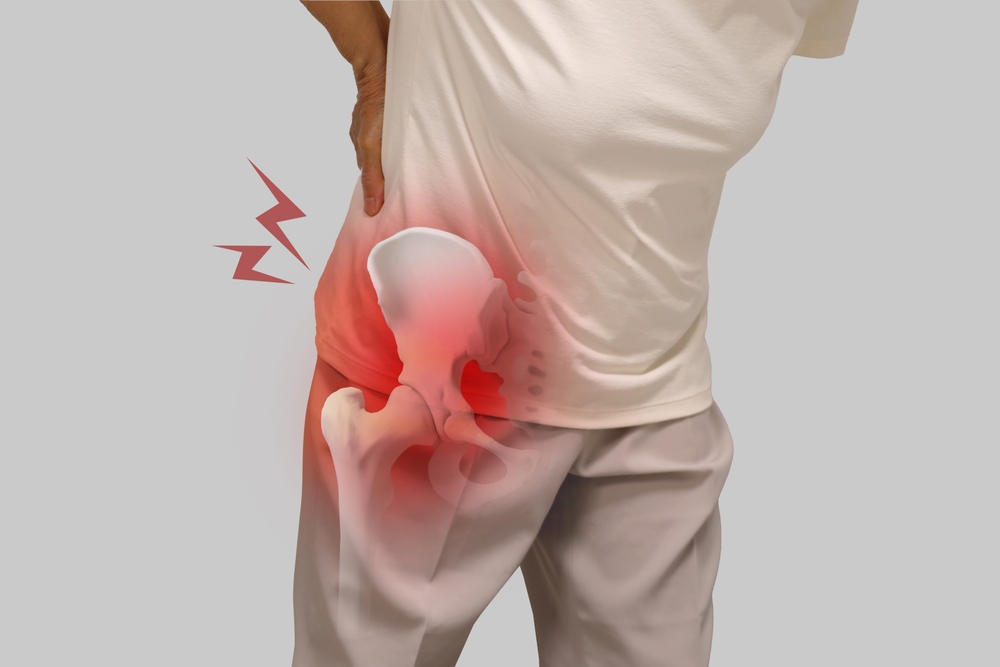
Hip pain is a common complaint that can stem from a variety of sources, and distinguishing whether it originates in the joint itself or the lower back is crucial for proper evaluation. At Pain Management Services, our multiple providers in Des Peres, St. Peters, and Washington, MO, frequently encounter patients trying to determine the source of their discomfort. Hip pain may present as a deep ache in the groin, outer thigh, or buttock, and it often worsens with activity or prolonged sitting. Recognizing the patterns of pain and associated symptoms can help identify the underlying cause.
The hip is a complex ball-and-socket joint that supports weight-bearing activities and provides a wide range of motion. Joint-related pain often arises from conditions such as osteoarthritis, labral tears, or bursitis. These conditions typically produce localized pain that may worsen during walking, climbing stairs, or rotating the hip. On the other hand, pain that originates from the lower back or spine, such as lumbar disc disease or nerve compression, may radiate to the hip region, sometimes making it challenging to pinpoint the exact source without a thorough assessment.
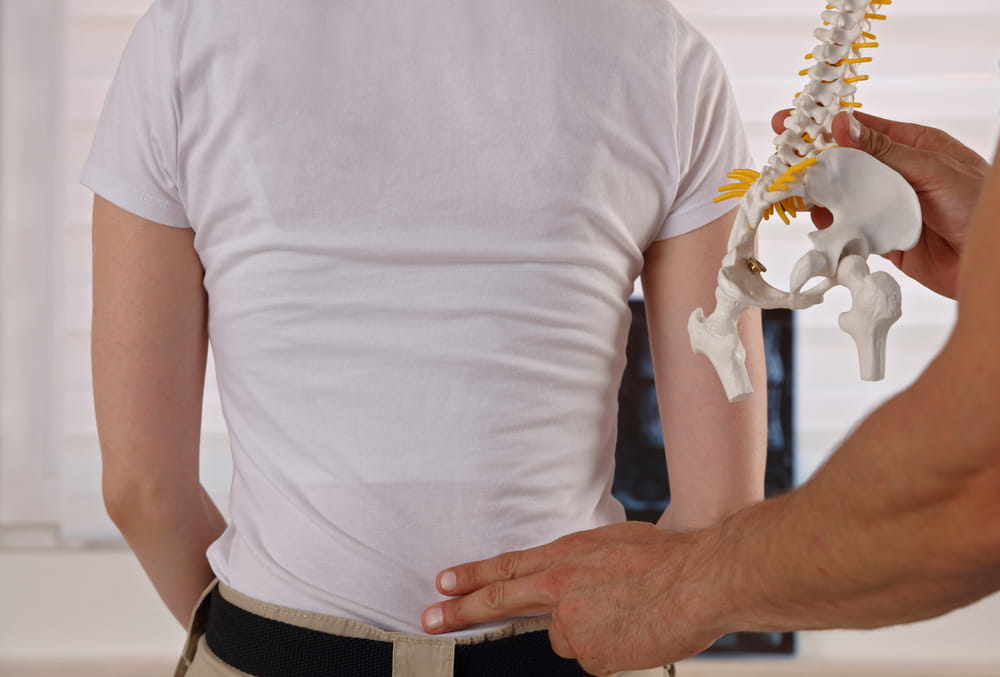
Understanding the anatomical relationship between the hip and the lower back is essential. Muscles, ligaments, and nerves surrounding these structures overlap in function, meaning that discomfort in one area can be perceived in another. This overlap often leads to confusion between true hip joint pain and referred pain from the back. Evaluating specific activities, postures, and onset patterns provides key clues that can help distinguish between the two sources.
Common Causes of Hip Pain
Hip pain can stem from joint issues, spinal problems, or soft tissue injuries. Joint-related causes frequently include degenerative changes like osteoarthritis, which leads to cartilage breakdown and stiffness. Labral tears in the hip can create sharp pain and a sensation of locking or catching during movement. Bursitis, an inflammation of fluid-filled sacs near the joint, often produces tenderness on the outer hip that worsens with pressure or activity.
Back-related causes typically involve the lumbar spine. Herniated discs, spinal stenosis, or nerve impingement can result in radiating pain to the hip and thigh, sometimes accompanied by tingling, numbness, or weakness. Unlike joint pain, back-related hip discomfort often changes with posture, such as bending forward, twisting, or sitting for long periods. Muscle strain and sacroiliac joint dysfunction can also contribute to pain that feels like it originates in the hip but actually stems from the lower back or pelvis.
Some warning signs can help differentiate hip joint pain from back-related pain:
- Pain localized to the groin or front of the hip may suggest a joint problem.
- Pain radiating down the leg, with numbness or tingling, often points to the lower back.
- Stiffness after inactivity or in the morning may indicate arthritis.
- Pain triggered by movement of the spine rather than the hip suggests a back origin.
Diagnosing Hip vs. Back Pain
Accurately determining whether hip pain arises from the joint or the back typically involves careful evaluation. Providers may assess range of motion, strength, and flexibility of the hip and spine. Observing how pain responds to specific movements, like internal or external rotation of the hip, can provide insight into whether the joint itself is affected. Similarly, assessing the spine’s mobility and identifying nerve-related symptoms helps distinguish back-related pain.
Imaging studies can provide additional clarity. X-rays, MRIs, or CT scans of the hip and lower spine can reveal structural changes, joint degeneration, or nerve compression that may not be evident through physical examination alone. Electromyography (EMG) may be used in some cases to evaluate nerve function and identify whether nerve irritation is contributing to hip discomfort. Early evaluation and accurate identification of the pain source are important in preventing further deterioration and promoting effective management.
Managing Hip and Back-Related Pain
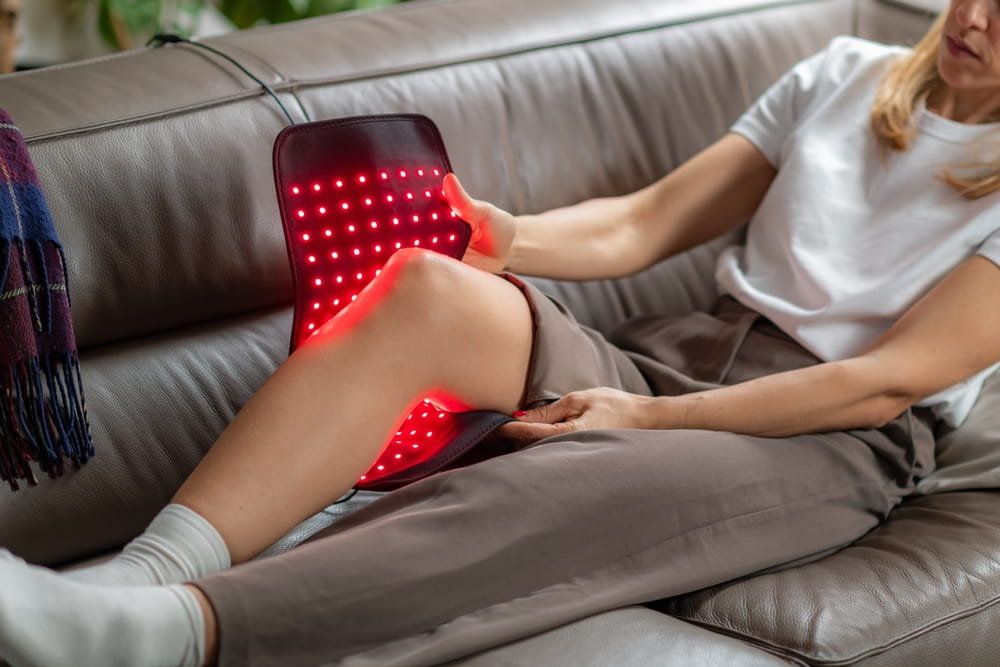
Once the source of hip pain is identified, understanding appropriate management strategies is essential. For joint-related pain, approaches like strengthening exercises, stretching, and activity modification can improve function and reduce discomfort. Back-related hip pain may benefit from core strengthening, posture correction, and targeted therapies that relieve nerve pressure. Lifestyle changes such as weight management, ergonomic adjustments, and regular low-impact exercise can support both hip and spine health.
Persistent or severe hip pain should never be ignored, especially if it interferes with daily activities or is accompanied by neurological symptoms. At Pain Management Services in Des Peres, St. Peters, and Washington, MO, multiple providers emphasize the importance of education and careful assessment to help patients understand the source of their pain and take informed steps toward relief. Understanding whether your hip pain originates from the joint or the back is the first step toward effective and long-term management.
Resources
Felson, D. T., et al. (2000). Osteoarthritis: New Insights. Part 1: The Disease and Its Risk Factors. Annals of Internal Medicine.
Borenstein, D. G. (2011). Chronic Low Back Pain. New England Journal of Medicine.
Harris-Hayes, M., & Royer, N. (2011). Hip Pain in Adults: Diagnosis and Management. Journal of Orthopaedic & Sports Physical Therapy.