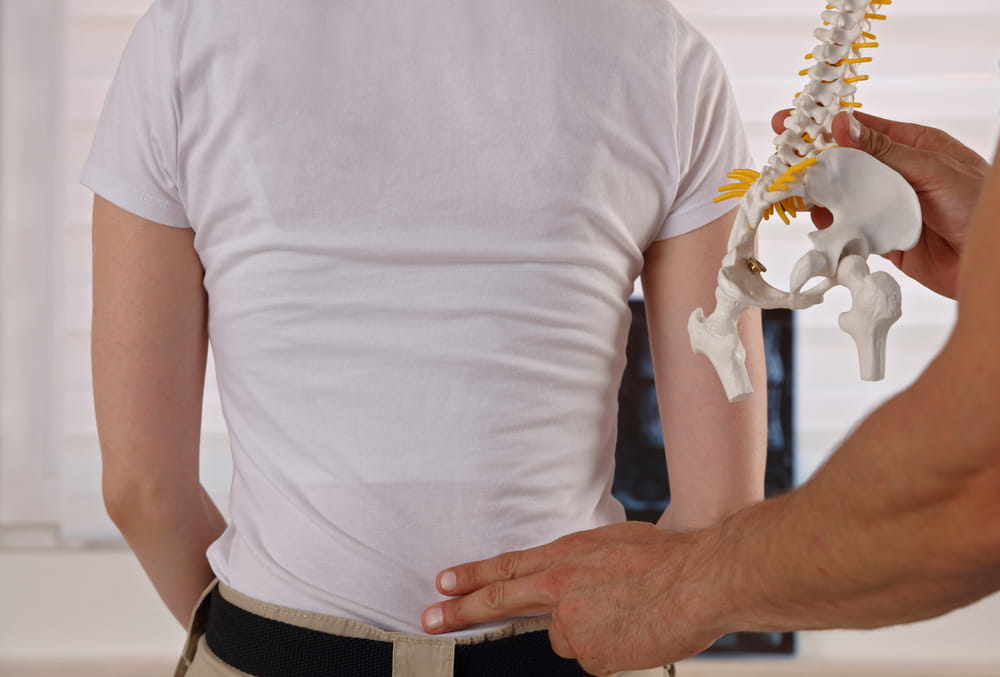
Sciatica is a condition that occurs when the sciatic nerve, the longest nerve in the body, becomes irritated or compressed. This nerve extends from the lower back through the hips and buttocks down each leg. When pressure is placed on the nerve due to a herniated disc, spinal stenosis, or degenerative disc disease, it can lead to the hallmark symptom of shooting pain radiating down one or both legs. Pain may vary from a mild ache to sharp, burning sensations that make daily activities challenging.
Other common symptoms include numbness, tingling, and muscle weakness in the affected leg or foot. While sciatica often affects only one side of the body, severe cases can impact mobility and balance. Many people in Des Peres, St. Peters, and Washington, MO, seek professional evaluation when symptoms interfere with work, exercise, or even simple household tasks. Early recognition and treatment of sciatica are critical for preventing chronic pain and improving overall quality of life.
What Causes Shooting Leg Pain in Sciatica
The root cause of sciatica-related leg pain is usually nerve compression. One of the most common contributors is a herniated or bulging disc pressing against the sciatic nerve roots in the lower spine. This pressure sends pain signals along the nerve, which is why the discomfort can travel from the lower back all the way down the leg. Spinal degeneration or arthritis in the lumbar region can also narrow the spinal canal, further irritating the nerve.
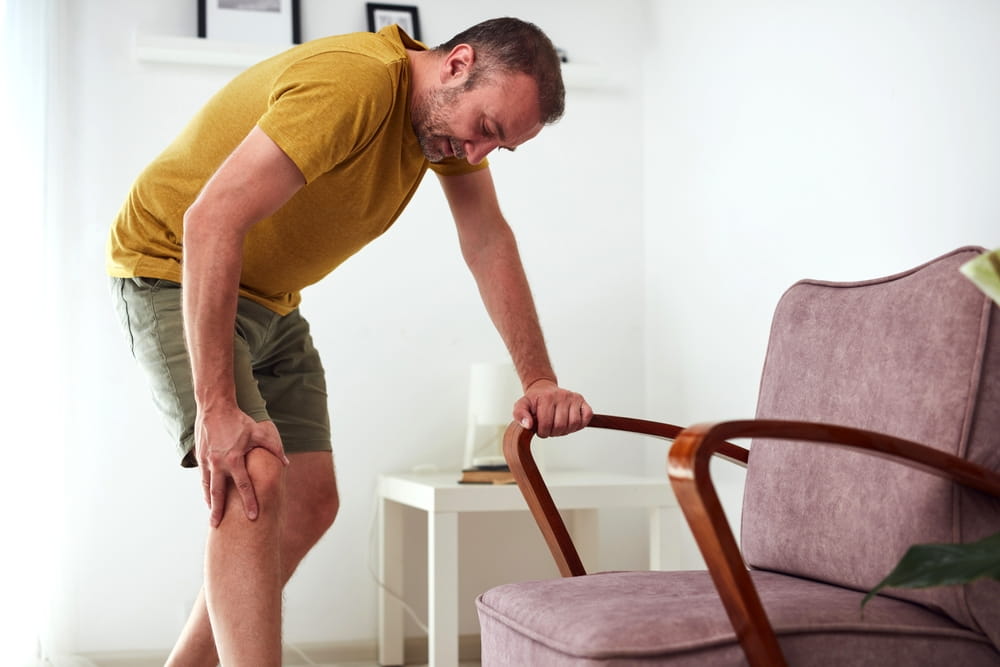
Inflammation plays a significant role in worsening sciatica pain. When nerve roots become inflamed, the body responds with swelling and heightened sensitivity, which amplifies the pain experienced in the leg. Muscle spasms in the lower back and glutes can also aggravate the nerve, creating a cycle of persistent discomfort. Individuals experiencing these symptoms often report that simple movements, like standing up or walking, can trigger sudden, shooting pain along the leg, making it difficult to find relief without proper intervention.
Non-Surgical Treatments for Sciatica
Many non-surgical approaches can help alleviate the pain associated with sciatica. Physical therapy and targeted exercises can strengthen the muscles surrounding the spine and hips, reducing pressure on the sciatic nerve. Additionally, non-narcotic medication management offers patients an alternative to opioids, focusing on reducing inflammation and pain while minimizing dependency risks.
For more targeted relief, procedures such as epidural steroid injections can help decrease inflammation around the affected nerve root, often providing immediate pain reduction. Similarly, selective nerve root injections for pinched nerve pain can help pinpoint the exact nerve causing discomfort while offering temporary relief. These interventions are often used in combination with other therapies to improve mobility and decrease leg pain over time.
Advanced Interventional Options
In cases where conservative treatments are insufficient, minimally invasive interventional procedures can provide longer-lasting relief. Lumbar radiofrequency ablation (RFA) targets specific nerve fibers that are transmitting pain signals, effectively “turning down” the pain without impacting overall nerve function. Patients who do not respond to injections or RFA may benefit from more advanced therapies such as spinal cord stimulator trials and implants, which deliver electrical impulses to interfere with pain signal transmission.
Other interventions, such as sacroiliac joint injections or sacroiliac joint radiofrequency ablation, can be particularly beneficial if the sciatic pain is linked to sacroiliac joint dysfunction. These treatments help reduce inflammation and stabilize the joint, which in turn lessens irritation on the sciatic nerve. Each option is tailored to the patient’s specific diagnosis and symptom pattern, emphasizing a personalized approach to pain management.
Lifestyle and Home Care Strategies
While professional care is essential, lifestyle modifications can complement medical treatments and reduce the frequency or intensity of sciatic pain. Stretching exercises that target the hamstrings, glutes, and lower back can relieve tension on the sciatic nerve. Maintaining good posture during sitting and sleeping also reduces strain on the lower back and prevents flare-ups.
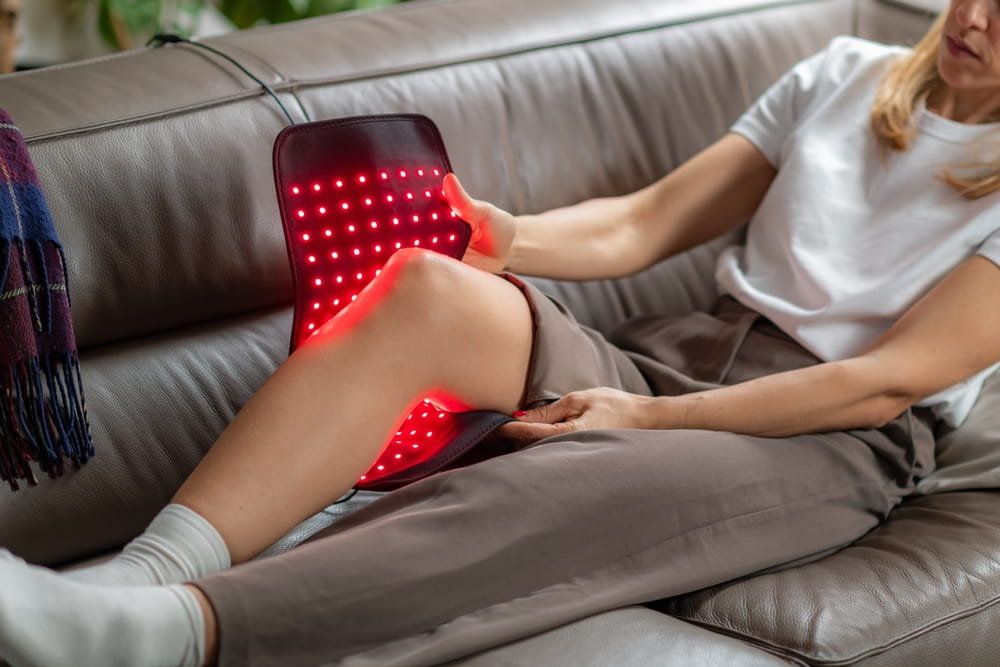
Weight management and low-impact aerobic exercises, such as swimming or walking, improve circulation and reduce pressure on the spine. Applying ice or heat therapy to the affected area can temporarily reduce inflammation and ease discomfort, particularly during acute episodes. Combining these strategies with professional interventions allows patients to take an active role in their recovery and maintain functional mobility in everyday life.
Seeking Expert Care in Missouri
Sciatica can significantly disrupt daily routines and quality of life if left untreated. Residents in Des Peres, St. Peters, and Washington, MO, benefit from early evaluation and a comprehensive treatment plan designed to address the root cause of shooting leg pain. Pain Management Services offers guidance and education to help patients navigate their options, from conservative therapies to advanced interventions, ensuring they regain comfort and mobility. By understanding the underlying causes and following a structured care plan, individuals can take control of their sciatica symptoms and enjoy a more active, pain-free lifestyle.
Resources:
McLaughlin, K. A., & Nolen-Hoeksema, S. (2011). Rumination as a Transdiagnostic Factor in Depression and Anxiety. Behavior Research and Therapy.
Manchikanti, L., et al. (2014). Epidemiology of Low Back Pain in Adults. Pain Physician.
Fritz, J. M., et al. (2015). Early Physical Therapy vs Usual Care in Patients With Acute Low Back Pain. Spine Journal.