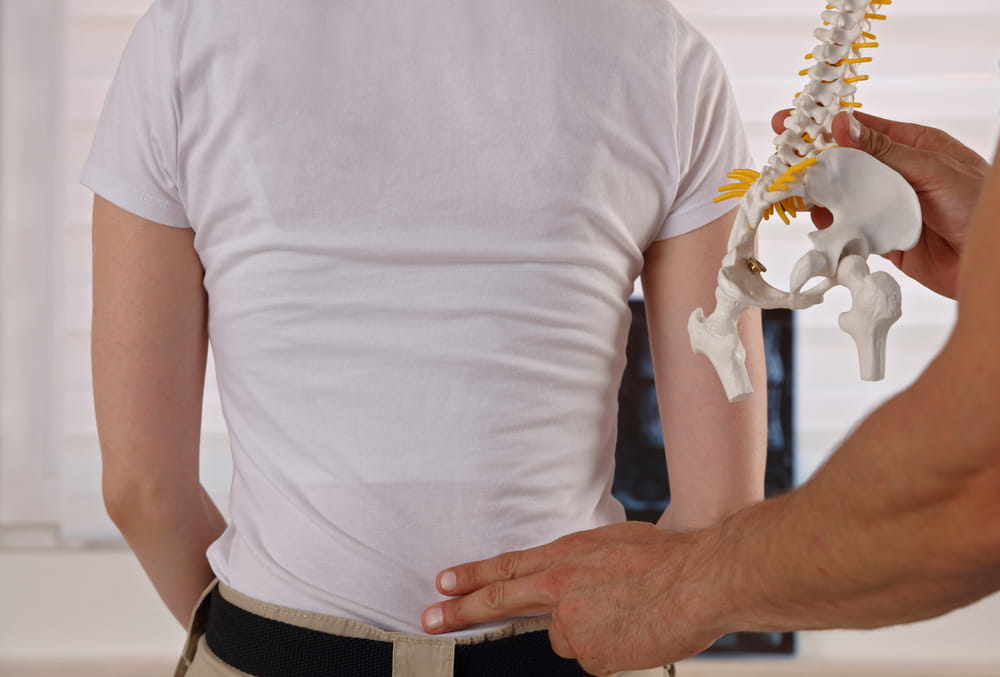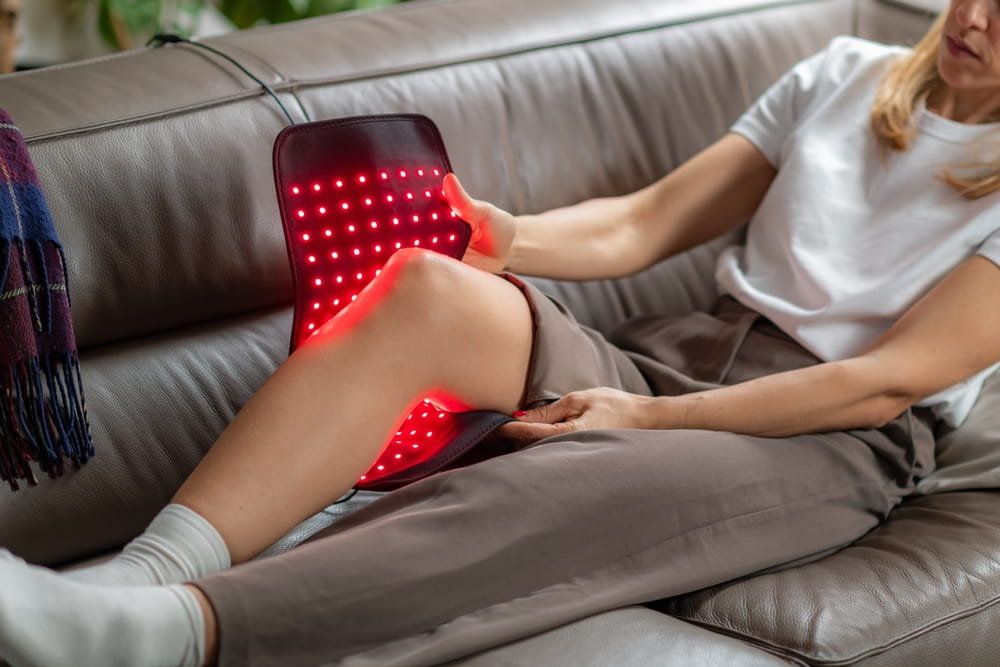
Chronic pain is a multifaceted condition that often requires more than conventional treatments to achieve effective relief. At Pain Management Services, where multiple providers serve the communities of Des Peres, St. Peters, and Washington, MO, integrative approaches to pain relief have gained increasing attention for their potential to address pain from multiple angles. Integrative pain management combines traditional medicine with complementary therapies to create a more holistic and patient-centered strategy. This blog explores various integrative approaches, their benefits, and how they can be incorporated into comprehensive pain care.
Understanding Integrative Pain Management
Integrative pain management is based on the recognition that pain is influenced by physical, emotional, and psychological factors. Instead of focusing solely on symptom suppression, this approach seeks to treat the whole person, addressing underlying causes and promoting overall wellness. The goal is to reduce pain, improve function, and enhance quality of life by blending evidence-based conventional treatments with complementary modalities.
Conventional medicine often includes medications, physical therapy, and interventional procedures, which are effective for many patients but sometimes fall short in providing sustained relief or managing complex chronic pain. Integrative care fills these gaps by incorporating therapies that modulate the nervous system, reduce stress, and improve mental well-being.
This approach requires collaboration among healthcare providers, including physicians, physical therapists, psychologists, acupuncturists, and others, to tailor treatments to individual patient needs. Education and patient engagement are also central, empowering individuals to take an active role in their healing process.
Complementary Therapies in Pain Relief
Several complementary therapies have demonstrated benefit when used alongside traditional medical treatments. Among the most widely studied and utilized are acupuncture, massage therapy, and mindfulness meditation.
Acupuncture, an ancient Chinese practice, involves inserting thin needles into specific points on the body to stimulate nerves and release natural pain-relieving chemicals like endorphins. Research suggests acupuncture can be effective for conditions such as osteoarthritis, migraines, and chronic low back pain. Its mechanisms include modulation of pain pathways and reduction of inflammation, making it a valuable adjunctive therapy.
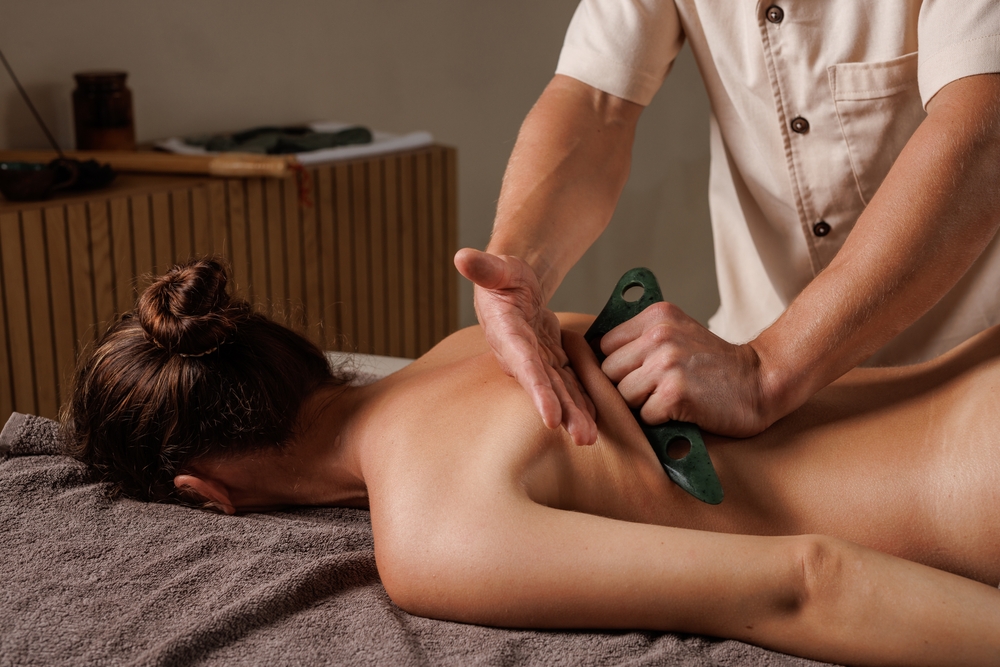
Massage therapy helps reduce muscle tension, improve circulation, and promote relaxation. It can alleviate pain caused by musculoskeletal conditions and reduce anxiety, which often exacerbates pain perception. Regular massage sessions may improve flexibility and range of motion, contributing to better physical function.
Mindfulness meditation and other mind-body techniques help patients manage the emotional and psychological aspects of pain. By cultivating present-moment awareness and reducing stress, mindfulness can decrease the intensity of pain and improve coping skills. These practices also impact brain regions involved in pain processing, providing both mental and physical relief.
Lifestyle Modifications and Their Role in Pain Management
Lifestyle changes are an essential component of integrative pain relief. Chronic pain often leads to decreased activity, which can worsen symptoms and contribute to deconditioning. Integrative care encourages gradual, guided physical activity tailored to the patient’s abilities, which strengthens muscles, improves circulation, and enhances mood.
Nutrition also plays a role in pain modulation. Certain dietary patterns, such as those rich in anti-inflammatory foods like fruits, vegetables, and omega-3 fatty acids, may reduce systemic inflammation and potentially alleviate pain. Conversely, diets high in processed foods and sugars might exacerbate inflammation and pain symptoms.
Sleep hygiene is another critical factor. Poor sleep quality and chronic pain are closely linked in a vicious cycle, where pain disrupts sleep, and lack of restorative sleep increases pain sensitivity. Integrative approaches often include strategies to improve sleep through behavioral changes, relaxation techniques, and, if needed, medical evaluation.
Stress management is equally important, as chronic stress heightens pain perception and negatively impacts immune function. Techniques such as yoga, tai chi, and biofeedback are increasingly recognized for their ability to reduce stress and promote relaxation, contributing to better pain control.
The Psychological Component of Pain and Integrative Care
Pain is not purely a physical sensation; it is deeply intertwined with emotional and psychological health. Depression, anxiety, and catastrophizing—where patients anticipate the worst outcomes—can amplify pain and reduce treatment effectiveness. Integrative pain management addresses these factors through cognitive-behavioral therapy (CBT), counseling, and support groups.
CBT teaches patients to identify and change negative thought patterns related to pain, improving coping skills and reducing disability. Psychological therapies also help manage associated symptoms like sleep disturbances and fatigue. By addressing mental health alongside physical symptoms, integrative care offers a more comprehensive solution to chronic pain.
Additionally, some integrative approaches incorporate expressive therapies such as art or music therapy, which provide non-verbal outlets for emotional expression and stress relief. These methods can improve mood and overall well-being, further contributing to pain reduction.
Bullet Points: Core Elements of Integrative Pain Relief
- Combines traditional medical treatments with complementary therapies for holistic care.
- Uses acupuncture, massage, and mindfulness to reduce pain and improve function.
- Encourages lifestyle modifications like exercise, nutrition, sleep hygiene, and stress management.
- Incorporates psychological therapies to address emotional and mental aspects of pain.
- Promotes patient education and active involvement in pain management.
Pain Management Services, serving Des Peres, St. Peters, and Washington, MO, recognizes the value of integrative approaches in offering more personalized, effective pain relief. Understanding these strategies helps patients and providers work together to improve outcomes and enhance quality of life.
In summary, integrative pain relief represents a comprehensive approach that goes beyond traditional symptom control. By combining conventional medicine with complementary therapies and lifestyle interventions, it addresses the multifaceted nature of pain. As research and clinical experience grow, integrative care continues to expand the possibilities for those living with chronic pain.
Resources
Cherkin, D. C., Sherman, K. J., Balderson, B. H., et al. (2016). Effect of mindfulness-based stress reduction vs cognitive behavioral therapy or usual care on back pain and functional limitations in adults with chronic low back pain. JAMA.
Vickers, A. J., Vertosick, E. A., Lewith, G., et al. (2018). Acupuncture for chronic pain: Update of an individual patient data meta-analysis. The Journal of Pain.
Kabat-Zinn, J. (2003). Mindfulness-based interventions in context: Past, present, and future. Clinical Psychology: Science and Practice.