Lower back pain is one of the most common complaints seen by healthcare providers, affecting millions of people worldwide. At Pain Management Services, our team of providers in Des Peres, St. Peters, and Washington, MO, frequently encounters patients struggling to pinpoint why their backs hurt. Lower back pain can range from a dull, persistent ache to sharp, debilitating pain, often impacting daily activities such as sitting, standing, or lifting objects. While the causes vary, understanding the underlying reasons for discomfort is the first step toward effective management.
One major contributor to lower back pain is poor posture. Many people spend extended periods sitting at desks, hunched over screens, or slouching in chairs, which can place undue stress on the spinal muscles and ligaments. Additionally, repetitive motions, such as lifting heavy objects without proper form, can strain the lower back muscles, leading to pain and stiffness. Sedentary lifestyles, combined with weak core muscles, exacerbate the risk of chronic back problems.
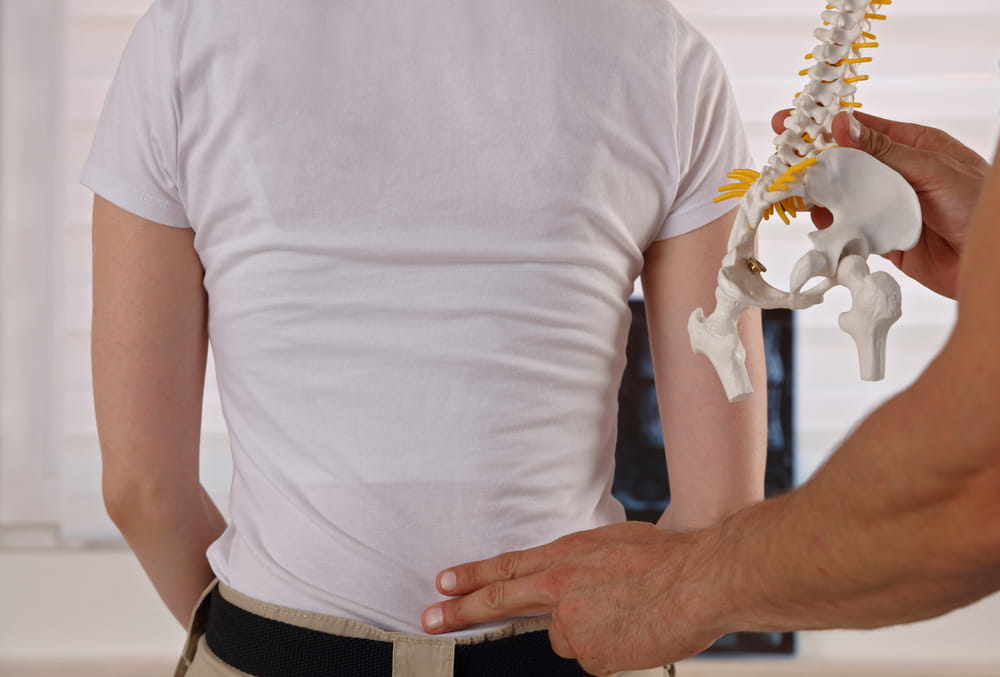
Injuries are another frequent source of lower back pain. Sudden falls, sports-related injuries, or car accidents can damage the muscles, ligaments, or discs in the lower spine. Even minor injuries may lead to lingering discomfort if left untreated. It is also important to consider medical conditions such as herniated discs, spinal stenosis, or osteoarthritis, which can compress nerves and lead to radiating pain down the legs. Understanding the type and source of pain is essential for developing strategies to alleviate it.
Common Causes of Lower Back Pain
There are several common causes of lower back pain, ranging from lifestyle factors to structural issues. One primary culprit is muscular strain, which often results from overexertion or lifting heavy objects incorrectly. These strains can cause inflammation, muscle spasms, and restricted movement. Another frequent cause is disc degeneration, which occurs naturally over time as the cushions between vertebrae wear down, sometimes leading to nerve irritation.
Herniated or bulging discs are particularly notable because they can press against spinal nerves, causing sharp pain, numbness, or tingling sensations that radiate down the legs. Poor posture and improper body mechanics can also accelerate disc problems, especially for individuals who spend long hours sitting or standing. Other contributing factors include obesity, which increases stress on the spine, and repetitive stress injuries from certain occupations or athletic activities.
Lifestyle and emotional factors also play a role in lower back pain. Stress, anxiety, and depression can increase muscle tension and amplify the perception of pain. Lack of regular exercise, combined with poor nutrition, can weaken muscles that support the spine, further increasing vulnerability to injury. Understanding these causes can help guide strategies for prevention and relief.
Symptoms and When to Seek Help
Lower back pain manifests in various ways depending on the underlying cause. Some people experience a dull, aching sensation, while others feel sharp or stabbing pain that worsens with movement. Muscle stiffness, limited range of motion, and difficulty standing or sitting for extended periods are also common symptoms. In some cases, pain may radiate down the legs, signaling nerve involvement, or be accompanied by tingling and weakness in the extremities.
It is important to recognize red flags that warrant professional evaluation. Severe or worsening pain, numbness, loss of bladder or bowel control, and pain following trauma should prompt immediate medical attention. Chronic pain lasting more than a few weeks also merits assessment to rule out underlying conditions such as herniated discs, spinal stenosis, or infections.
Monitoring symptoms and understanding their patterns can help distinguish between minor, temporary discomfort and more serious issues. Even without severe warning signs, persistent or recurring pain should be evaluated to identify preventable causes and reduce the risk of long-term complications.
Managing and Reducing Lower Back Pain
Effective management of lower back pain often involves a combination of lifestyle modifications, physical therapy, and self-care practices. Exercise that strengthens the core and back muscles can reduce strain on the spine and improve posture. Activities such as yoga, swimming, or targeted stretching routines are especially beneficial for maintaining flexibility and supporting spinal health.
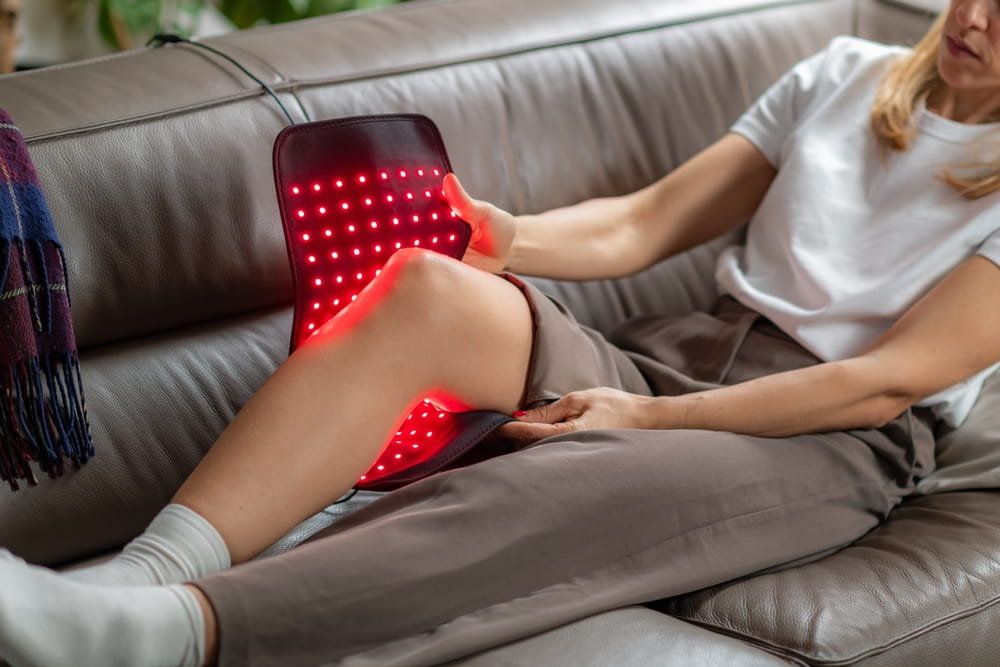
Other helpful strategies include practicing proper body mechanics during lifting or bending, taking frequent breaks from prolonged sitting, and using supportive furniture. Heat or cold therapy can temporarily relieve muscle tension and inflammation, while over-the-counter pain medications may provide short-term relief in some cases. Mind-body techniques, such as mindfulness meditation or deep breathing exercises, can also help manage pain perception and reduce stress-related muscle tension.
A bullet point summary of self-care tips includes:
- Engage in regular core-strengthening exercises
- Maintain proper posture while sitting, standing, and lifting
- Use heat or cold packs to ease muscle soreness
- Take breaks from prolonged sitting or repetitive movements
- Manage stress through relaxation techniques
By combining these strategies, many individuals experience significant improvement in their symptoms over time. Early intervention and consistent self-care are key to preventing acute episodes from developing into chronic back pain.
Preventing Future Back Pain
Preventing lower back pain involves creating habits that support spinal health. Maintaining a healthy weight reduces stress on the lower back and helps prevent muscle fatigue. Staying physically active and incorporating exercises that strengthen the back, hips, and abdominal muscles can protect the spine from injury. Proper ergonomics in the workplace, including supportive chairs and adjustable workstations, also contribute to long-term spinal health.
Additionally, being mindful of posture throughout daily activities is essential. Simple adjustments, such as keeping the back straight while lifting objects and avoiding prolonged slouching, can reduce cumulative stress on the lower back. Consistent self-care, combined with awareness of body mechanics and lifestyle choices, can significantly lower the likelihood of recurring pain episodes.
Lower back pain is a complex issue with multiple contributing factors, but understanding its causes and implementing preventive strategies can make a substantial difference. Residents in Des Peres, St. Peters, and Washington, MO, who experience persistent discomfort can benefit from increased awareness and practical approaches to protect their spinal health. Pain Management Services emphasizes education and empowerment, encouraging patients to take an active role in managing and preventing back pain.
Resources:
McGill, S. M. (2007). Low Back Disorders: Evidence-Based Prevention and Rehabilitation. Human Kinetics.
Chou, R., Qaseem, A., Snow, V., et al. (2007). Diagnosis and Treatment of Low Back Pain: A Joint Clinical Practice Guideline. Annals of Internal Medicine.
Hoy, D., Bain, C., Williams, G., et al. (2012). A Systematic Review of the Global Prevalence of Low Back Pain. Arthritis & Rheumatism.