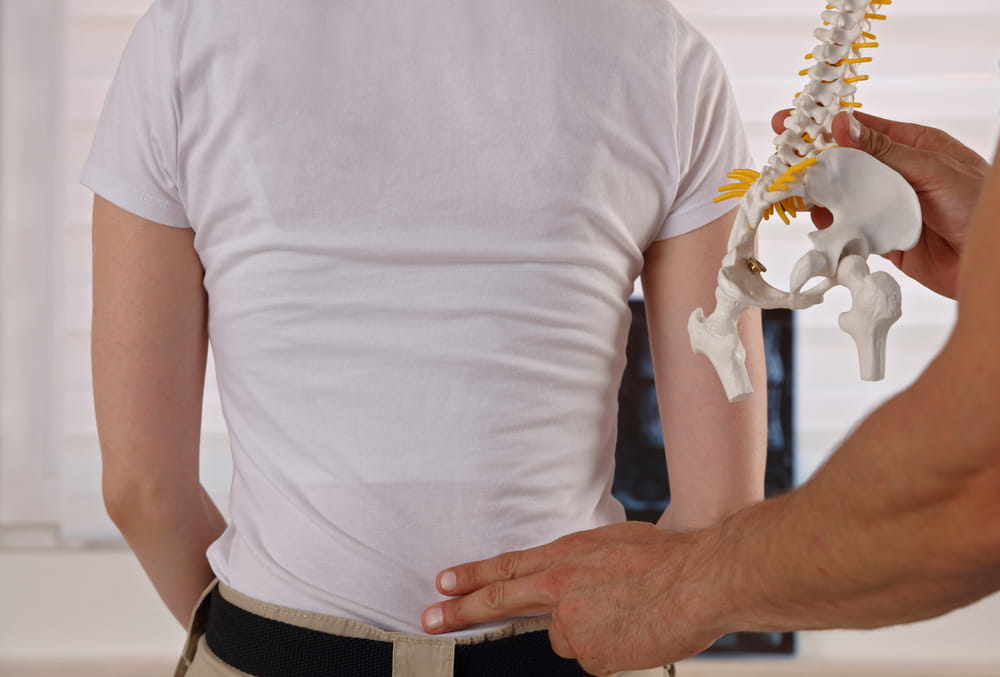

Tailbone pain, also known as coccydynia, is a common discomfort that affects many people, especially when sitting. At Pain Management Services in Des Peres, St. Peters, and Washington, MO, patients often seek guidance on why this sharp or dull pain occurs and how it can be managed. The tailbone, or coccyx, is a small triangular bone at the base of the spine, and even minor trauma or prolonged pressure can lead to significant discomfort. Sitting for extended periods, particularly on hard surfaces, can exacerbate the pain, making everyday activities like working at a desk, driving, or attending long meetings challenging.
The causes of tailbone pain are diverse and can range from acute injuries to chronic conditions. While some people experience pain after a fall or a direct blow to the coccyx, others may develop coccydynia gradually due to repetitive strain or poor posture. In some cases, underlying conditions affecting nearby structures, such as the sacroiliac joint, can also contribute to tailbone pain. Understanding the specific reason behind your discomfort is critical for finding the right approach to relief.
Common Causes of Tailbone Pain
Trauma and Injury
A direct injury to the tailbone, such as falling backward or experiencing a sports-related impact, is one of the most common reasons for pain when sitting. These injuries can cause bruising, dislocation, or even minor fractures of the coccyx. While such injuries may heal on their own over time, persistent pain could indicate more complex issues, including joint dysfunction or nerve involvement.
Prolonged Sitting and Poor Posture
Extended periods of sitting, especially on hard or unsupportive surfaces, can put constant pressure on the coccyx, leading to inflammation and tenderness. Individuals who sit for work or travel long distances are particularly susceptible. In addition, poor posture while sitting, such as slouching or leaning back excessively, can further aggravate tailbone discomfort by shifting weight unevenly across the pelvic region.
Underlying Joint or Nerve Conditions
Tailbone pain may also stem from dysfunction in surrounding joints and nerves. The sacroiliac joint, located near the tailbone, can become inflamed or irritated, contributing to localized pain. Treatments such as sacroiliac joint injection or sacroiliac joint radiofrequency ablation are often used to target these pain sources. Additionally, nerves in the coccygeal region may become compressed or irritated, in which cases therapies like ganglion of impar injections can provide relief.
Symptoms to Recognize
Tailbone pain typically presents as a dull ache, sharp stabbing sensation, or pressure in the lower spine. The discomfort is often worse when sitting for long durations, rising from a chair, or leaning backward. Some individuals notice pain during bowel movements or sexual activity, as these movements engage muscles and tissues near the coccyx. In cases where nerve involvement is present, patients may also experience tingling or radiating pain extending into the lower back or buttocks.
Other warning signs that require medical evaluation include:
- Persistent pain lasting several weeks
- Severe pain after trauma
- Swelling or bruising around the coccyx
- Numbness, weakness, or unusual radiating sensations
Recognizing these symptoms early allows for more targeted diagnostic approaches and intervention strategies.
Diagnostic and Treatment Approaches
When evaluating tailbone pain, imaging and diagnostic techniques are crucial to determine the underlying cause. Providers may use X-rays or MRI scans to assess bone and soft tissue integrity. For joint or nerve-related pain, procedures such as diagnostic facet injections or selective nerve root injections / pinched nerve can help pinpoint the exact source of discomfort. Once a diagnosis is established, a combination of interventions may be recommended, including non-invasive methods like posture correction, cushioning, and non-narcotic medication management.
Minimally invasive procedures are increasingly common for persistent tailbone pain. For instance, epidural steroid injections can reduce inflammation and relieve nerve-related pain, while lumbar radiofrequency ablation (RFA) can provide longer-term relief by targeting pain-transmitting nerves. For severe or refractory cases, structural interventions, such as posterior sacroiliac joint fusion, may be explored.
Lifestyle Adjustments and Pain Prevention
In addition to medical treatments, lifestyle adjustments can play a significant role in reducing tailbone pain. Using cushioned seating, adjusting posture, and taking regular breaks from prolonged sitting can prevent pressure from building on the coccyx. Engaging in gentle stretching and strengthening exercises for the lower back and pelvic muscles can also improve support and decrease inflammation. Maintaining a healthy weight may further reduce pressure on the tailbone during daily activities.
It’s essential to approach tailbone pain with a combination of proactive care and professional guidance. Individuals experiencing ongoing discomfort should consult specialized providers to identify underlying causes and explore tailored treatment options. At Pain Management Services, serving Des Peres, St. Peters, and Washington, MO, patients are supported with comprehensive education and guidance on navigating coccydynia effectively.
Tailbone pain, while often manageable, should not be ignored. Understanding its causes, recognizing symptoms, and exploring both non-invasive and interventional treatments can significantly improve quality of life. Pain Management Services is committed to helping patients in the region find relief and regain comfort in daily activities.
Resources:
McGlone, F., & Reilly, D. (2010). The Cutaneous Senses: Touch, Pain, Temperature, and Proprioception. Brain Research Reviews.
Maigne, J. Y., & Doursounian, L. (2000). Coccydynia: Etiology and Treatment. Spine.
Wray, C., & Easom, S. (1991). Coccyx Pain: A Review of Causes and Management. Postgraduate Medical Journal.