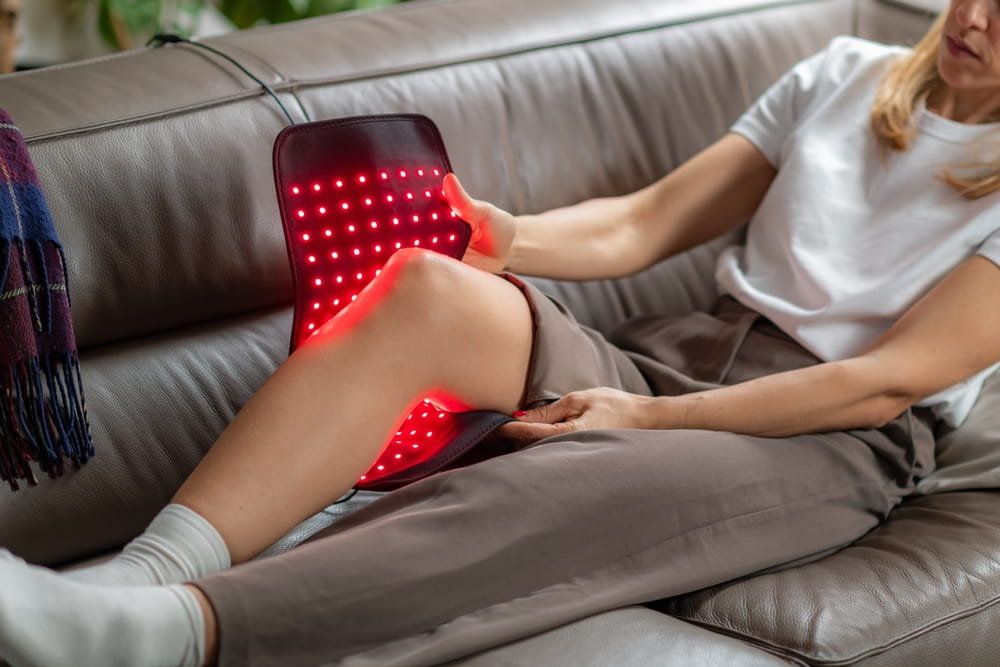

Chronic neck and back pain can be more than a minor inconvenience—it can significantly impact daily life, sleep, and mobility. Residents in Des Peres, St. Peters, and Washington, MO, experiencing persistent discomfort may wonder when it’s time to consult a medical professional. At Pain Management Services, multiple providers emphasize the importance of early evaluation to prevent worsening symptoms and improve long-term quality of life. Understanding warning signs, underlying causes, and available interventions is crucial for informed care.
Neck and back pain may develop gradually or follow an injury, such as a fall or car accident. While short-term discomfort is often manageable with rest or over-the-counter remedies, pain lasting more than a few weeks may indicate a deeper issue. Chronic pain can arise from muscle strain, degenerative disc disease, herniated discs, spinal stenosis, or arthritis. Identifying the root cause early helps guide treatment strategies and prevents complications like nerve damage or reduced mobility.
Common Signs You Should Seek Medical Attention
Persistent Pain Despite Self-Care
If pain continues even after rest, physical therapy, or over-the-counter medications, professional evaluation is warranted. Chronic discomfort in the neck or back that limits daily activities, sleep, or work productivity is a red flag. Medical assessments may include diagnostic imaging, as well as targeted procedures like Selective Nerve Root Injections / Pinched Nerve to identify nerve-related causes of ongoing pain. Early intervention can prevent more severe complications.
Neurological Symptoms
Numbness, tingling, weakness, or shooting pain down the arms or legs can indicate nerve involvement. These symptoms often accompany conditions like herniated discs or spinal stenosis. Procedures such as Medial Branch Nerve Blocks or Cervical Medial Branch RFA may be recommended to both diagnose and alleviate nerve-mediated pain. Recognizing these signs early is essential to avoid permanent nerve damage or functional limitations.
Pain Following Injury
Neck or back pain following trauma, including car accidents or workplace injuries, should always be assessed. Early evaluation through Personal Injury Evaluation and Treatment can ensure proper documentation, rule out serious structural damage, and implement timely interventions. Even minor injuries can exacerbate underlying degenerative conditions, making professional guidance crucial for safe recovery.
Relief and Management Options
Non-Invasive Strategies
Lifestyle modifications and non-invasive therapies play a central role in managing chronic neck and back pain. Gentle stretching, strengthening exercises, ergonomic adjustments, and posture correction can help reduce strain on muscles and joints. Non-Narcotic Medication Management may be utilized to manage inflammation and pain without relying on opioids, supporting long-term wellness and minimizing side effects.
Minimally Invasive Procedures
For cases unresponsive to conservative care, minimally invasive interventions may provide significant relief. Epidural Steroid Injections can target inflammation in the spine, while Lumbar Radiofrequency Ablation (RFA) or Spinal Cord Stimulator Trial and Implant may be considered for chronic nerve-related pain. These treatments focus on reducing pain and improving function without major surgery, allowing patients to regain daily mobility and comfort.
When to Consider Surgery
Although many patients respond well to non-surgical or minimally invasive treatments, surgical intervention may be necessary for structural abnormalities, severe nerve compression, or persistent pain. Procedures like spinal fusion or decompression may be recommended after careful evaluation, particularly when conservative approaches fail to provide relief. Early consultation with a specialist ensures that all options are considered before deciding on surgery.
Importance of Timely Medical Evaluation
Chronic neck or back pain should never be ignored, as delayed treatment can lead to worsening symptoms, decreased quality of life, and irreversible nerve damage. Multiple providers at Pain Management Services in Des Peres, St. Peters, and Washington, MO, encourage patients to seek evaluation when pain persists beyond a few weeks, worsens, or is accompanied by neurological symptoms. Proactive care provides the best chance for relief and long-term mobility.
Understanding when to see a doctor for chronic neck or back pain is essential for maintaining function and comfort. By recognizing warning signs, exploring non-invasive and minimally invasive options, and seeking early medical guidance, patients can manage pain effectively and protect their quality of life. Pain Management Services is dedicated to supporting residents in Des Peres, St. Peters, and Washington, MO, with comprehensive strategies for lasting relief.
Resources:
Chou, R., et al. (2016). Diagnosis and Treatment of Low Back Pain: A Joint Clinical Practice Guideline. Annals of Internal Medicine.
Airaksinen, O., et al. (2006). European Guidelines for the Management of Chronic Nonspecific Low Back Pain. European Spine Journal.
Foster, N. E., et al. (2018). Prevention and Treatment of Neck and Back Pain. The Lancet.